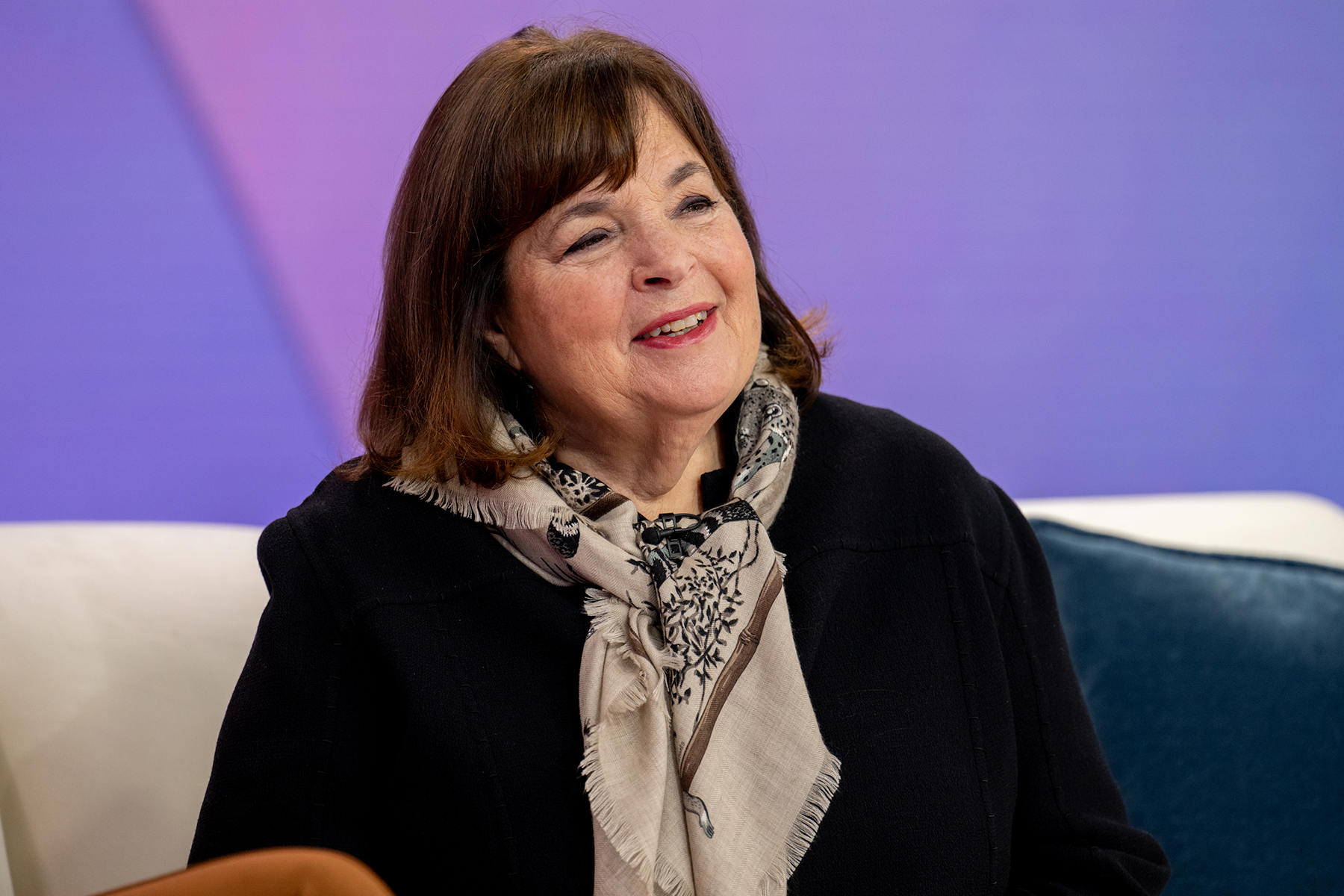
I’m an Ina Garten fan, like just about every other person I know. I’m not exactly hardcore about it — I don’t watch her show, own any of her cookbooks, or follow her on Instagram — but I do appreciate her as both a presence and an aspiration. I love what she stands for, which to my eyes is a sturdy blend of comfort, stability, culinary common sense, and the power of a well-chosen work uniform. I’ve never had a sound bath, but when I listen to Garten talk I imagine that’s what it’s like, insofar as I come away with an enhanced sense of well-being.
I’ve been listening to Garten talk a lot lately because she has a new book to promote: her memoir, Be Ready When the Luck Happens. I haven’t read it — truthfully, celebrity memoirs aren’t my drug of choice — but I’ve read a lot about what’s in it, including stories of her miserable childhood, her long marriage to her beloved Jeffrey, her unlikely career leap from government budget analyst to gourmet shop proprietor. Among all of this, there’s one detail that has really resonated with me (and, judging by Reddit threads, plenty of others): Garten’s decision not to have children, which stemmed from her experience growing up in an emotionally and physically abusive household.
|
|
|
As someone who also decided not to have children, I appreciate Garten’s forthrightness about and lack of apology for her choice. But it’s also remarkable to me in part because Garten has made herself all but synonymous with domesticity, something that many people still view through the prism of motherhood. Garten is nurturing without being maternal; instead of children, she lavishes her care on her husband and friends.
Garten became famous when she was past the age where “domesticity” entailed the presence of children. The same can be said of Martha Stewart, who is a mother but became TV-famous after her daughter was grown. But it’s interesting to note that a number of women who have been enshrined as domestic goddesses have either not had children or haven’t made them a part of their brand. (See, for example, Julia Child and Nigella Lawson, respectively.) It’s even more interesting when you contrast them with today’s tradwife influencers, who present children (the more, the better) as non-negotiable. Tradwives, of course, record their lives — or curated versions thereof — to foster the illusion of relatability, mess and all, whereas the whole point of Ina and Martha is to present a version of life free of chaos, one where women are the sovereign masters of their domain.
I say this with admiration. Just as I appreciate the parents who raise their children to be good humans, I feel immense gratitude toward the women who show us, time and again, there are other paths to a full and happy home and life, and that — just like dinner — family takes many different forms.
|
What I’m loving on the site: What else I’m consuming this week: — Rebecca Flint Marx, Eater at Home editor |
|
|
If you aren’t subscribed to this newsletter,
you can sign up right here. |
|
|
If you buy something from an Eater link,
Vox Media may earn a commission. See our ethics policy. |
| |
|