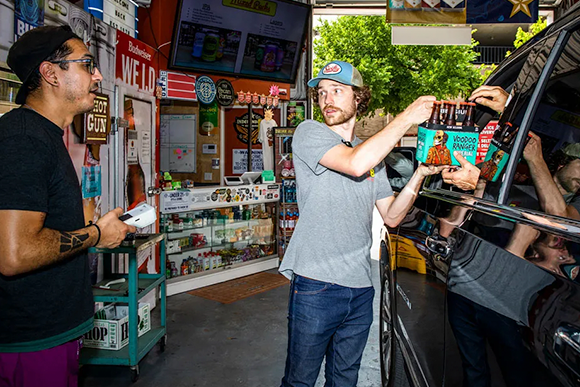
North Carolina is one of the U.S.’ 17 control states, where the sale and distribution of alcohol is conducted by governmental or quasigovernmental agencies, as opposed to private businesses like liquor stores. This restriction affects not only consumers, looking to access their favorite bottle of gin or bourbon, but also bars, who must navigate often-confusing rules surrounding what is available where and when, or whether or not they can even procure a specific label at all.
In North Carolina, restaurants and bars can only purchase from the ABC (Alcoholic Beverage Control) Commission stores located within their jurisdiction. If, say, a bar wants a particular bottle of bourbon sold in the next town over, they would need to put in a special order with their local ABC board requesting that they carry that brand—and still, there’s no guarantee. Similarly, spirits distributors cannot bring samples around to bars and restaurants; they need to convince ABC boards, and all of the 168 local boards decide for themselves.
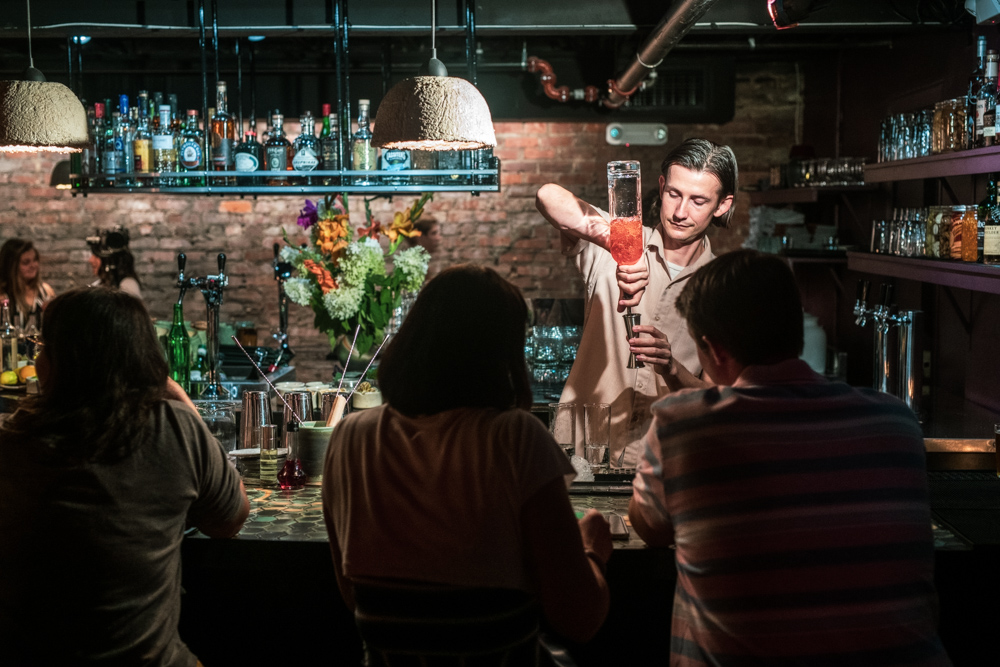
Navigating these byzantine rules and regulations is challenging, but for veterans of the bar and restaurant scene, like Sean Umstead, co-owner of establishments like Kingfisher, in Durham, North Carolina, it has become almost second nature. Here, Umstead discusses what life in a control state means for both businesses like his and the consumers who belly up to his bar.
—Matt Lardie, Punch contributor |
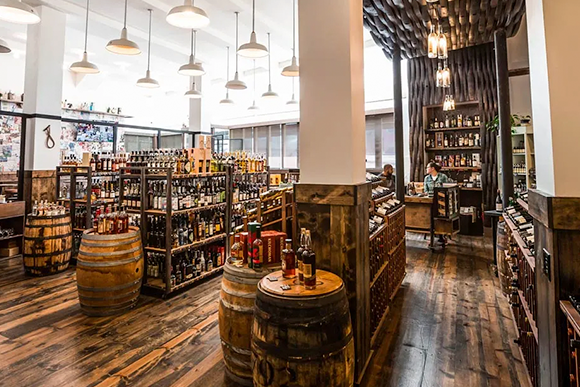
Kingfisher is a “ground-to-glass” cocktail bar in Durham, North Carolina. (Credit: Scott Myers) |
Matt Lardie: What are some of the major hurdles you face as a bar owner in a control state?
Sean Umstead: There are two big issues in a control state. One is diversity of products. The state orders what will sell, and that means what the retail consumer will buy. They don’t put an emphasis on discovery, uniqueness, story, or any of the things that make spirits so compelling.
The second is that it makes it difficult for brands to sell. So many brands—even big brands—don’t put much attention on North Carolina with regards to promotion, education, or relationships. I’ve been basically told, “Sorry, control states are hard,” at national events when I inquire about building relationships. So how do you go about building those relationships? Would you have any advice for other bar owners in control states?
I was very intentional about trying to be loyal to brands and move significant amounts of their product. We saw little to no brand interaction from the bigger companies for years. “Liquor reps” in North Carolina honestly seem to have turnover about every six months. Last year was the first year we had a mega liquor company with a rep we truly connected with.
Honestly, I have very little advice on building those relationships, except to just be genuine. You won’t get a lot of tangible value out of championing brands in North Carolina, so throw your money and efforts behind the people and brands you truly love. The guiding principle of our cocktail program since we opened in 2019 has been to reflect Durham farmers and makers through cocktails. This was both a want and a response to the liquor landscape in North Carolina.
What have you done to overcome some of the challenges of being in a control state?
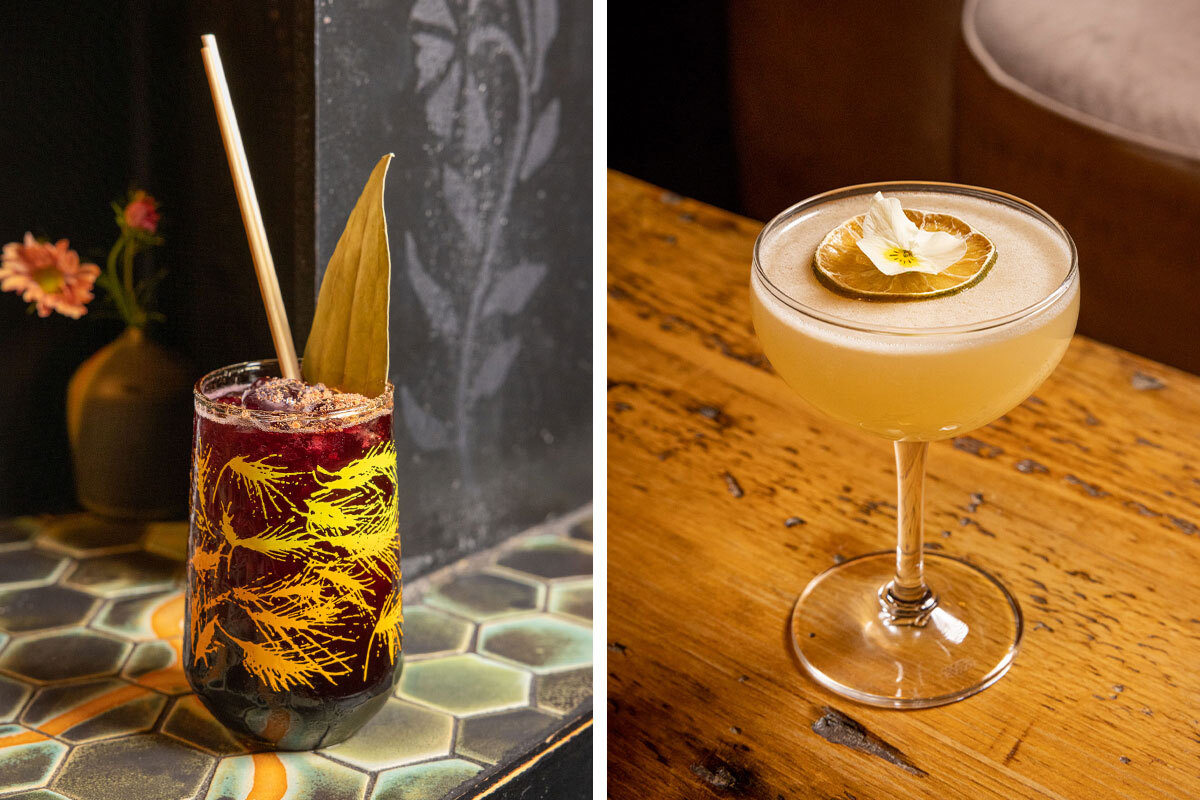
Being a farm-first, flavor-driven, and experimental cocktail bar came from necessity. The selection of unique modifiers and inventive spirits simply pales in comparison to open [aka non-control] states. We chose to embrace the abundance of what North Carolina has, namely produce and unique artisans, and not focus on what we don’t. [Editor’s note: The bar’s best-seller, a beeswax-infused Bee’s Knees calling on local honey, exemplifies this.]
We sometimes have to be fairly brand-agnostic when creating cocktails, because the supply is uncertain and there isn’t a salesperson who can give you an idea of long-term stock. We also generally don’t make lesser-known amaros and liqueurs central parts of our menu, as those truly can be there one day and never again. |
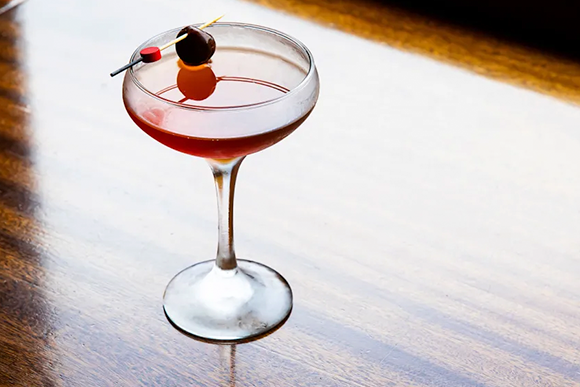
The bar’s menu is a roster of creative twists on the classics. (Credit: Forrest Mason) |
How does the control state system affect the consumer or guest at a bar?
It certainly limits competition in terms of pricing, but it also limits discovery. Liquor pricing is standard across North Carolina. [What that means is] there is no discount for quantity, brand loyalty, promotion, or anything else. In fact, every bottle sold to restaurants and bars has a $3.75 tax on top of the list price. We are paying more than the retail consumer.
A well-curated liquor store in a non-control state can be a library of spirits that reflect the owner’s tastes and opinions. North Carolina liquor stores are generic and lack depth in most categories. Every category tends to be lacking, but especially the spirits I would most want to champion: fruit brandy, rum, Armagnac, the wide world of whiskey. We have one listed Calvados available to purchase. As of now, as I’m talking to you, there are also only two [brands] of pisco and two [brands] of cachaça available for purchase.
What changes would you like to see in North Carolina’s alcohol laws?
We see changes every year in North Carolina, generally toward deregulation. I think that’s great. North Carolina has to allow happy hour pricing at some point. I’d also like to see free delivery [from state-run liquor stores]. As it stands now, bars and restaurants generally have to pick up their own orders, which can be dozens of cases. But I don’t think North Carolina will give up control anytime soon, as it is such a revenue generator for smaller counties. We have way more individual counties than other states our size, and they all have a vested interest in keeping the money flowing. This interview has been edited and condensed for clarity. |
|
|
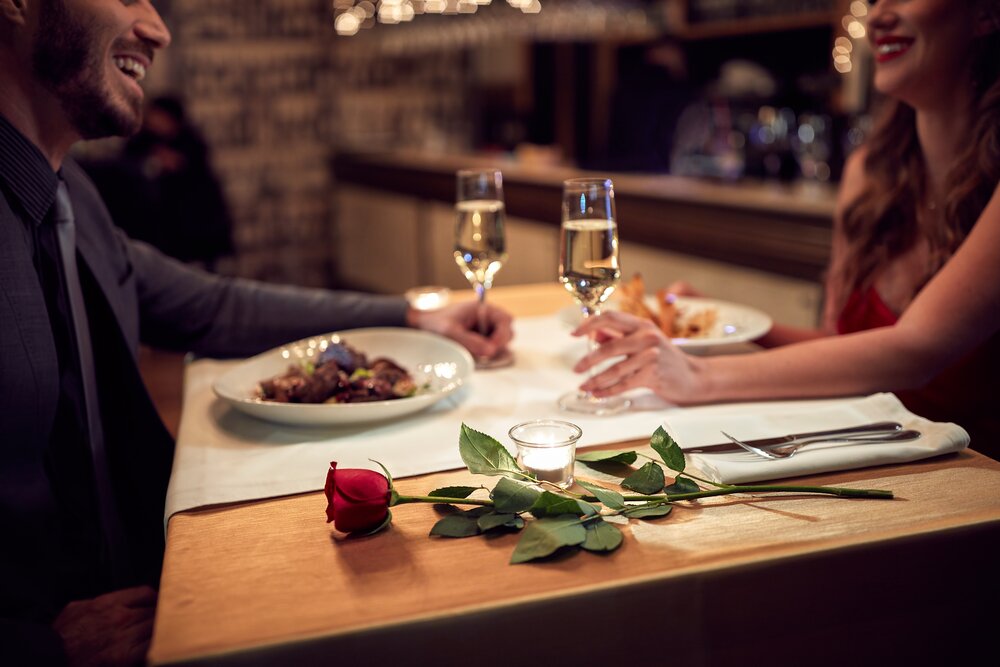
Valentine’s Day is fast approaching, and diners are ready to splurge!.Get ahead with 14 marketing ideas that will drive bookings and boost revenue. From creative menu inspiration and clever promotions to advanced booking strategies, discover expert tips to make this Valentine's Day your most profitable yet. |
|
|
Pre Shift is for the trade, and by the trade. We want to bring in your voices and hear your ideas. Have thoughts? Let us know by emailing preshift@voxmedia.com.
If you like this email, please forward it to a friend. If you aren’t signed up for this newsletter, you can do so right here. |
|
|
This email was sent to jessmayhugh@gmail.com. Manage your email preferences for Eater or Punch or unsubscribe.
View our Privacy Notice and our Terms of Service. Vox Media, 1701 Rhode Island Ave NW, Washington, DC 20036.
Copyright © 2025. All rights reserved. |
|
|
|