Now, I don’t mean to continue the dogpile on this one poor restaurant, which is just trying its best amid crushing circumstances that are impacting the entire industry. But as a diner — one who is also being crushed by the same economy and the same big-picture geopolitical forces — there is also something so dispiriting and so alienating about the nature of restaurant dining today, when there’s an upcharge at every corner and even dishes paid for at a premium still feel scrimped. We’re in an economic crisis, yes, but we’re also in a crisis of good old generosity and hospitality. Often, I encounter conversations among people who’ve given up on dining out entirely. “It’s just not worth it anymore,” so many people say. And when I see stuff like this, I concede that they’ve got a point: Something’s broken down in the restaurant-diner relationship.
After all, this is not a situation isolated to this one restaurant — it’s become the default for “nice” restaurants in New York City. When I went to a super-hot new restaurant recently and was offered a bowl of rice to sop up all my sauces, my immediate inclination was to demur; I was wary of how much it might cost at this place, where a very modestly sized Spanish-style tortilla cost $31. Still, I said yes, accepting that sauce needs something with which to scoop it. Fearing the bill, I was surprised to hear a server tell the person next to me that it was, in fact, complimentary, as were the crusty baguettes. What generosity, I thought. How nice — free, when they could charge for it! That this was my knee-jerk feeling made me realize that I have developed some level of Stockholm syndrome from the city’s dining scene.
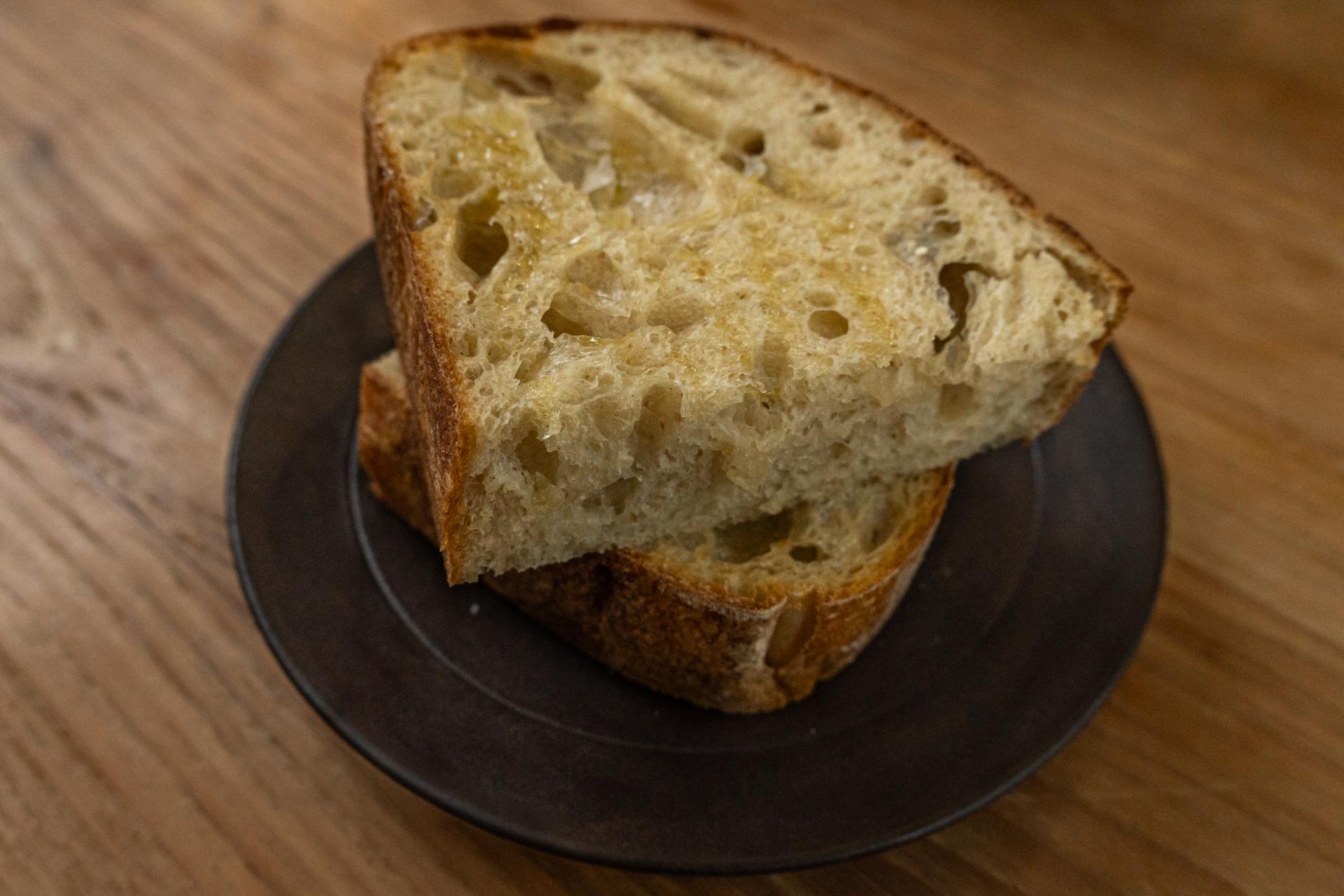
The nickel-and-diming and upcharging and scrimping is so par for the course that, really, what stand out to me the most now are the rare instances when that isn’t the case — and again, what I’m primarily talking about here is stuff as basic, simple, and downright foundational to a meal as rice or bread, or as essential as having enough butter for that bread. I felt similarly spoiled when, at another hip restaurant, the kitchen sent out a side of complimentary sourdough for sponging up all the other delicious, butter-slicked dishes I’d ordered; this was not, by the way, some VIP treatment, just a thing they do. I’ll never forget the time a while back when, at another restaurant, we finished our roti faster than we finished our chicken liver spread. “Would you like more?” our server asked, bringing over a warm piece a few minutes later.
Or consider a scenario I imagine many of us have encountered. You’re dining in a group of four people. The dish comes with three pieces — slices of yellowtail, arancini, tortillas, whatever. At so many restaurants, this would mean a scant half-piece per person, then doing bizarre surgery to make that awkward last piece stretch four ways. But isn’t it so beautiful when a server pre-empts that whole dilemma, sending out enough pieces to distribute fairly at the table, especially when you as a party are otherwise ordering a lot? Rare, but beautiful. It’s these little extra bits of thought that really make you feel taken care of.
When I’m spending $46 on a single plate of beef tongue or — hypothetically, were I a somewhat different person — $40 on half a chicken, the rice should just be included. So many restaurants now have the vibe that you, as a diner, are lucky to be there; it’s the little things that make it feel like a restaurant is, instead, actually trying to win you over. Restaurants need diners to come back, but restaurants also need to give diners a reason to want to come back: enough butter for your bread, a knowing side of rice when the main dish is saucy.
Functional dining aside, there is a generosity of spirit when it comes to a diner choosing to dine out when they could just eat at home. I know, as a good cook, that I can make a great meal at home for far, far less money than going to a restaurant. Thus, I know that when I’m going out, I’m paying an absurd upcharge, but I can justify it with the trade-off of receiving both hospitality and a special experience. What I expect from restaurants — especially when I’m paying so, so much for them — is a little more of that generosity of spirit, too.