We’re partnering with Apple Business to demystify how independent restaurants work more efficiently. In this two-part series, we’ll share how operators reach new customers, grow their businesses, and adapt to the modern F&B landscape. |
Hi! Welcome back to Pre Shift.
In an industry that sometimes prizes gatekeeping and exclusivity, it’s always refreshing to hear about the operators who instead preach that sharing is caring. That’s the case with Little Joy, the Minnesota coffee shop encouraging others to “steal” their signature drink. This isn’t just an educational move: In an interview with senior reporter Bettina Makalintal, the cafe’s owner explains how it’s helped the business grow and gain visibility.
Read on for their learnings from the unconventional marketing tactic, plus news on OpenTable, the state of wagyu, and more. |
—Mary Anne Porto, senior editor |
|
|
Why This Coffee Shop Gives Away Its Most Popular Recipes |
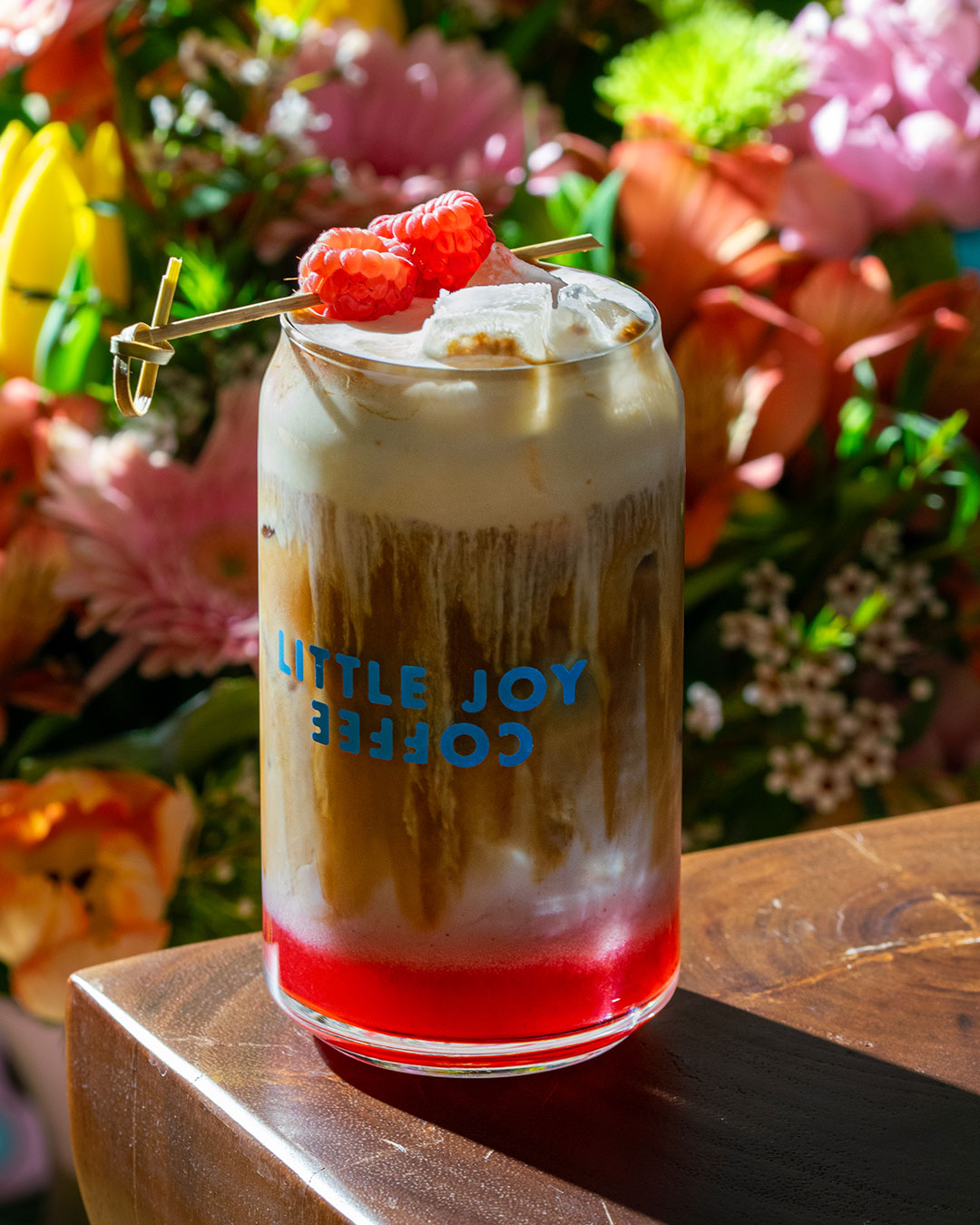
Last month, Little Joy, an independent coffee shop and roaster in Northfield, Minnesota, posted a video inviting coffee shops all over the world to copy its signature drink: the raspberry Danish latte, for which it shared both a home version and a scaled-up coffee shop version. It continued the coffee shop’s approach of breaking down its drinks on social media. In a popular series titled “DIY or Buy,” baristas walk viewers through each drink and price out how much it would cost for them to make the same thing at home; the recipes are included in each caption. As of this writing, thousands of people have downloaded the recipe and hundreds of coffee shops around the world have put the drink on their menus, as Little Joy has tracked on a map. Here, Little Joy owner Cody Larson explains why this open-book strategy has worked so well for his shop and what other shops might learn from it. —Bettina Makalintal, senior reporter
|
Little Joy's Raspberry Danish Latte |
How to Find a Social Media Strategy That Works |
Social media really rewards you if you give away stuff for free that shouldn’t be free. For us, it’s our business secrets — stuff that took us a long time to learn and perfect, like how to make a certain syrup or a cold foam — which is not easily accessible on the internet. We try to do that in every video. We include a recipe which offers a reason for a viewer to click “share” or repost.
One day we just decided to show a little more of the behind-the-scenes. We were planning our winter menu, and we had baristas react to [new drinks we were trying out]. We shared the recipe and it took off. Sometimes you’ll be surprised that something works out, and then you just have to stop, try to pinpoint why it worked, and duplicate that. |
Why Gatekeeping Is Unnecessary |
I don’t see much value in keeping things like a coffee syrup recipe a secret. Social media is so important; I think getting all those eyes on your brand is much more valuable. We don’t hold our recipes that highly so it’s not a big deal to give it away, especially when the reward on social media is so huge.
When it comes to people coming into your physical store, you’re limited by your geography, so it’s cool to gain a bigger audience worldwide and have all those eyes on you that you wouldn’t [otherwise] have. Give away the recipe, then people in India can make it and engage with your brand on social media.
Have we lost sales because we give our recipes away? No, our sales are up like 45 percent year-over-year. When we first went viral, I could instantly check the data and it was like, “You’re up 40 percent from this time last year.” |
When we posted the recipe for download, I included a questionnaire form asking if people wanted to be [automatically] included on a map, like [collating] a list of locations where they would serve it. Quickly, over 200 people had clicked yes, that they wanted to put it on their menu and be on a map that we were going to share with everybody. Now I think we’re up to almost 400 shops around the world from 30-plus countries.
I was surprised by the turnout. I take notes on video ideas I have and under this video idea, I was like, “What if nobody puts it on their menu? We’re gonna look like losers.” Then it was like, “Oh well, let’s do it anyway. The internet will forget in seven days.” The internet sometimes surprises you: Social media is becoming less and less social, and this just felt like social media again. It’s something happening in real life, not just on the internet. |
Why Small Businesses Should Practice Solidarity |
At independent coffee shops around the world, there’s more of a push for house-made syrups and stuff like that. The big coffee chains, they’re never gonna do house-made syrups, so I think that’s where independent shops can get a leg up. Ultimately, the chains are our competition; we shouldn’t be fighting with each other as independent shops. If independent shops can, in any way possible, raise the bar across the board, that’s good for all independent shops, including us.
This conversation has been edited and condensed. |
|
|
“Owners can say, ‘Hey, I want to target people who love merlot who’ve been with us at least twice but haven’t been in the last six months… You can easily do that in our system, and we’ll even create the marketing campaign for you.” An interview with OpenTable’s CEO explores the platform’s recent big changes.
“I run a lacto-ovo veggie burger restaurant in a red-meat-ravenous town. That town is New York City and I am not very smart.” Chef Brooks Headley of Superiority Burger wrote about his path from home cooking to the vegan punk scene to running one of NYC’s most beloved restaurants.
“At a time when the American cattle herd is at its smallest since the 1950s and beef prices are at record highs, Wagyu is seemingly everywhere. But it’s not always clear to diners what they’re paying for.” With the label more popular than ever, several interest groups are competing to define what counts as “wagyu.” |
|
|
|
| Here’s a handful of hospitality jobs to have on your radar right now. -
Califa de Leon, a Michelin-starred taqueria from Mexico City that’s coming to New York, is hiring taqueros and more.
- In the Bay Area, cult-favorite Diaspora Spice Co. wants someone “who is chronically online (in the best way)” to be its next content and video associate.
-
Muhājir, a new Chicago restaurant “grounded in the traditions of migrant live-fire cooking” has a few open roles right now.
-
Thomas Straker, the London-based chef known for his viral recipes, is looking for a head chef for a new NYC outpost.
-
LA’s forthcoming Louma Bakery, which will donate profits to a “charity that fosters meaningful opportunities for people with intellectual and developmental differences,” is hiring for chefs, bakers, and baristas.
As always, if you have intel on these or more jobs to share, hit reply and let us know. |
|
|
|
Pre Shift is for the trade, and by the trade. We want to bring in your voices and hear your ideas. Have thoughts? Let us know by emailing preshift@voxmedia.com. If you like this email, please forward it to a friend. If you aren’t signed up for this newsletter, you can do so right here.
|
|
|
This email was sent to mporto@punchdrink.com. Manage your email preferences for Eater or Punch or unsubscribe.
View our Privacy Notice and our Terms of Service.
Vox Media, 1701 Rhode Island Ave NW, Washington, DC 20036.
Copyright © 2026. All rights reserved. |
|
|
|
|