Ben Mervis from Fare magazine discusses this approach to seeing the world.  ‌ ‌ ‌ ‌ ‌ ‌ ‌ ‌ ‌ ‌ ‌ ‌ ‌   ‌ ‌ ‌ ‌ ‌ ‌ ‌ ‌ ‌ ‌ ‌ ‌ ‌   ‌ ‌ ‌ ‌ ‌ ‌ ‌ ‌ ‌ ‌ ‌ ‌ ‌   ‌ ‌ ‌ ‌ ‌ ‌ ‌ ‌ ‌ ‌ ‌ ‌ ‌   ‌ ‌ ‌ ‌ ‌ ‌ ‌ ‌ ‌ ‌ ‌ ‌ ‌   ‌ ‌ ‌ ‌ ‌ ‌ ‌ ‌ ‌ ‌ ‌ ‌ ‌   ‌ ‌ ‌ ‌ ‌ ‌ ‌ ‌ ‌ ‌ ‌ ‌ ‌   ‌ ‌ ‌ ‌ ‌ ‌ ‌ ‌ ‌ ‌ ‌ ‌ ‌   ‌ ‌ ‌ ‌ ‌ ‌ ‌ ‌ ‌ ‌ ‌ ‌ ‌   ‌ ‌ ‌ ‌ ‌ ‌ ‌ ‌ ‌ ‌ ‌ ‌ ‌ 

View on web 

Nick Mancall-Bitel is editor of Eater Travel. His tourist cosplay includes a fanny pack and socks with sandals.

Nick Mancall-Bitel is editor of Eater Travel. His tourist cosplay includes a fanny pack and socks with sandals.


As a food-loving traveler, Ben Mervis has experienced cities at their most delicious. The medieval-historian-turned-Noma-team-member-turned-globe-trotting-journalist accompanied René Redzepi on trips around the world. He went on to launch Fare magazine, among other projects, to document culinary stories in Taipei, Mexico City, Naples, and elsewhere — and has developed an editorial approach and personal travel habits that align with Eater Travel’s outlook, relying on experts who live in every destination. 


“With each issue, we’re starting with conversations with locals,” Mervis says. “We’re letting them guide the stories we should be telling.”


Fare and Eater aren’t alone. Thankfully, travel coverage has moved away from parachute journalism, while the fragmentation of traditional media powerhouses has made more room for independent voices. Consumers have picked up on this ethos. According to Eater’s recent reader survey, 93 percent of Eater readers (and 83 percent of non-readers) want to “travel like a local.” What that means might vary from traveler to traveler, but generally they might avoid tourist traps in favor of local haunts. They might challenge themselves with unfamiliar ingredients. They might do loads of advanced research, lest they ever appear lost or confused. 

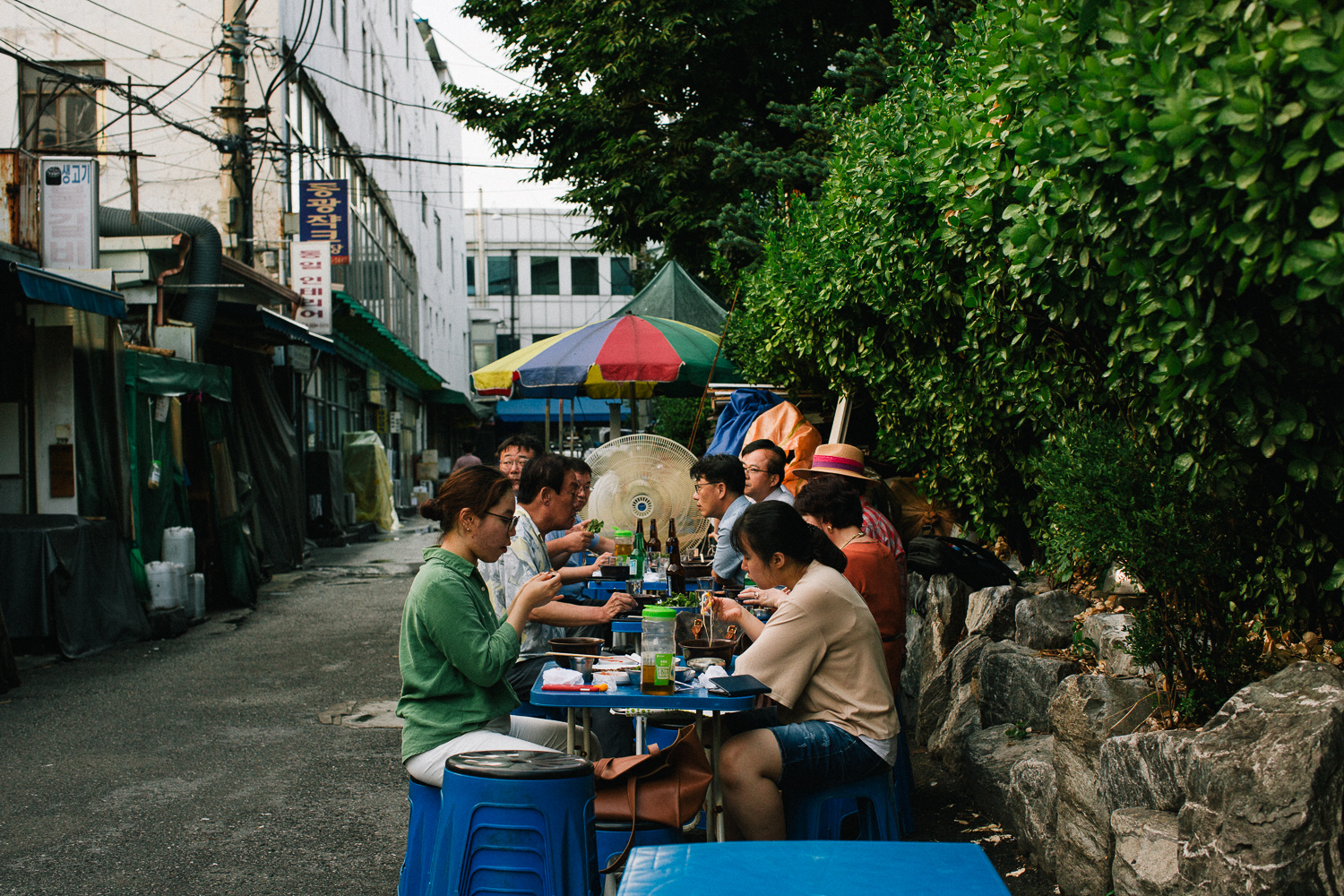
Liz Seabrook/Fare Magazine

Recently I began to wonder about the pros and cons of this approach to seeing the world. So I called up Mervis at his home in Glasgow to get his take.


How do you travel like a local? What does that mean to you?

I moved to Copenhagen just 24 hours into a spontaneous trip there, and I’ve lived abroad for the last 15 years. To this day, whenever I’m traveling somewhere, I’m ready to pretend for a moment that I live there. So I try on a routine: I get coffee, get drinks, strike up conversations with locals, walk the streets, look up at the architecture. If I like a restaurant, I go back as many times as I want. I treat the place with the same respect I would my hometown. 


In some ways it sounds like you’re living like a local. But the way you talk about walking around a city sounds to me like a tourist. If somebody stops on a street in New York to look up at a skyscraper, I assume they just got off a bus. 

It’s the way you feel when you’ve just moved to a city. You’re like, “This is my new neighborhood! I’m going to go to that cafe every week!” It’s that outsized energy you have at the beginning. 


And all that helps you to get to know a city?

Well, I have to confess to my nerdiness. I have a background in some seriously niche history, so research always gets me excited. At the bare minimum, I’m downloading the entire Wikipedia page on a city and its food culture. Give me the crash course.


But you can’t create the experience of visiting a city purely in your mind. Until you actually go to a city, you won’t know what your favorite food will be or your favorite thing to do. And in my opinion, you don’t want to know. It ruins the charm. You want to avoid researching too much so you can feel a bit outside of your comfort zone to channel the child-like wonder of traveling. 


There is a sense that eating like a local requires you go beyond your comfort zone. Is that something you seek out?

I also don’t want to go all the way in the other direction. I’m worried we’ve become so caught up over the most authentic experience. I don’t want to get to the point where it’s a competition to only go to places that have never had a website, an Instagram account, or an Eater write-up. I personally find that kind of competition to be soul-sucking. 


So you don’t mind eating with fellow tourists?

On some level, I do find it immersion-breaking when a place is just full of tourists. I’m imagining Ramiro in Lisbon, arguably the best restaurant in the city, holds up in terms of quality, but mostly serves tourists. I also think of St. John in London, which still serves a lot of Londoners too. I usually just ignore the obvious tourists.


Part of it is the type of tourist these places attract. People know what to order at Ramiro before they go. Everyone is like, “You have to get x, y, and z.” To be fair, those travelers are interested in learning about food that’s unique to a place. Versus another kind of tourist, like the one on a stag do [bachelor party], who needs to find places with the cheapest food and drinks where they can act like an idiot. I don’t want to turn my nose up at someone who appreciates some aspects of a city, but doesn’t really care about the food. Just don’t treat a culture implicitly like it’s less valuable than your own.

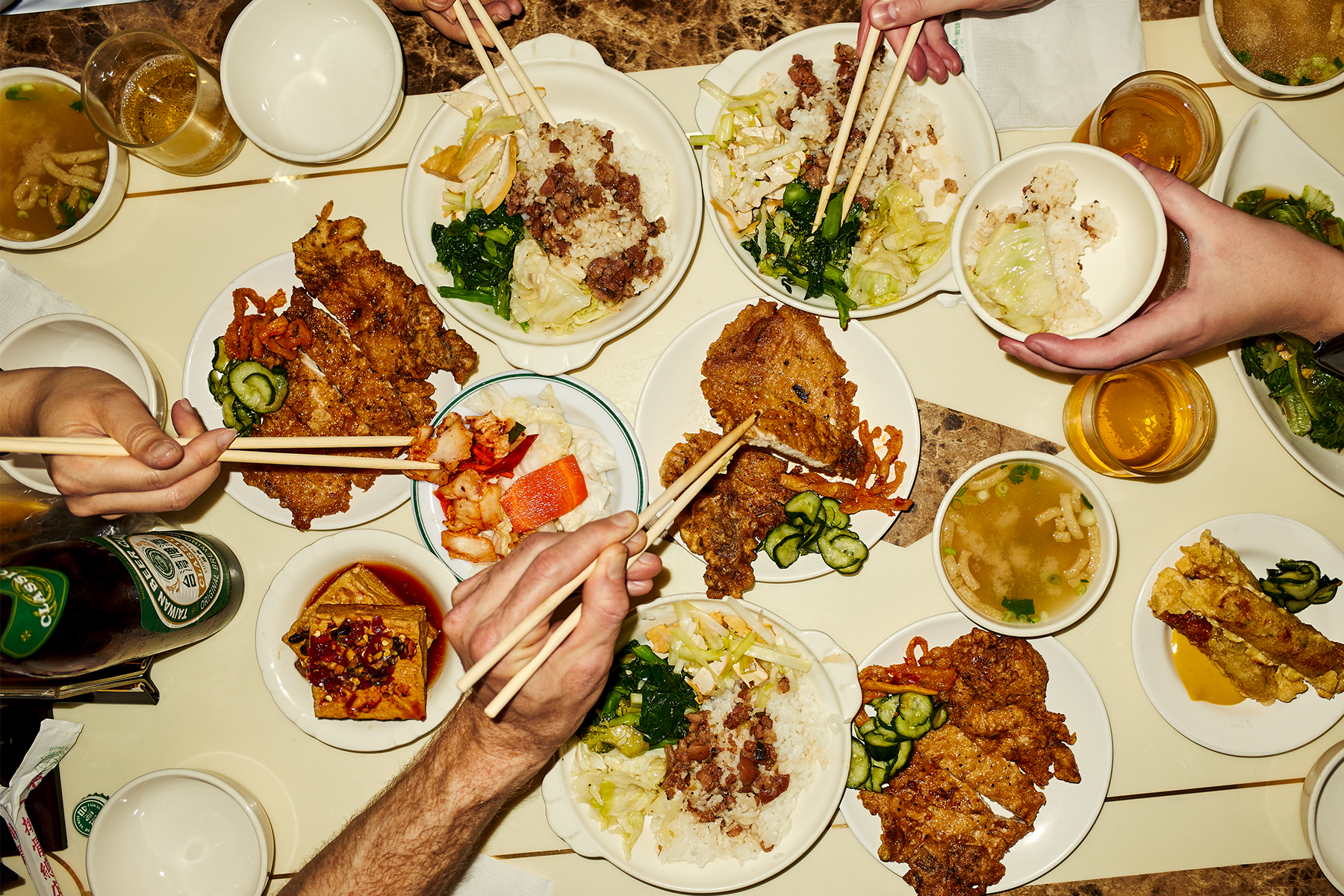
Sam Harris/Fare Magazine

Are there any drawbacks to focusing so heavily on locals’ spots? Look at Taquería El Califa de León in Mexico City, which blew up after it got a Michelin star.

Obviously you want restaurants to remain accessible to the locals. Fare doesn’t include a list of recommendations. It’s meant to get at elements of local culture that are deeply rooted. At least three of the places we covered in our Istanbul guide eight years ago have shut down, but the stories are just as relevant. 


There’s a wider conversation about whether restaurant lists and maps are good or bad for restaurants. But it sounds like you’re questioning whether they’re good for readers too. 

It’s like before you see a movie. You want to know generally what you’re in for. But you don’t have to watch all the trailers and read all the reviews. I love being able to just show up and be like, “I’m not ignorant. But also I have so much to learn.” And not feeling like the internet had already sorted everything out for me. 


Last summer I went to Naples, and I’m guilty, I made a map. I knew wherever I ended up in the city, there was some food I could go to. But there was nowhere that I thought I had to go. I could just relax. 


That’s heresy on the modern internet. You’re not optimizing. 

It’s too much. Going to Paris was even crazier. I asked people for restaurant recommendations. I think I got 150. I mapped them out and went through them quantitatively. That trip was so unenjoyable. I felt the pressure to find every one of those must-hit spots. It left me with this feeling like I couldn’t possibly make any decision correctly because I would be missing out.  


A lot of people feel that pressure. They don’t want to go to the wrong place, especially since they’re probably spending a lot of money to travel. How do you deal with it?

I really want to tell people to check in with themselves. I don’t mean to sound like your mother and I don’t want to be patronizing, but actually think about what you want to do. Is it going to be an enjoyable experience if you have to compulsively check items off a list? I have some friends for whom it clearly must be because it’s the only way they travel. 


I love to find a chain cafe and sit in there anonymously. I feel so unhurried and so unjudged. It brings me back to my early days of solo traveling when my standards and preconceptions were just so different. I find those experiences so freeing. It’s important to travel in a way that is genuine to you, so it doesn’t become a scavenger hunt.


Is sitting in a chain cafe the ultimate expression of traveling like a local?

With Fare, we think about where people eat for lunch during a work week. We think about where you can sit shoulder to shoulder with other generations. But I don’t know if there’s any issue that would be totally recognizable to a local resident in that city. We’re taking all these different pictures of the city and putting them together into something that is this perfect experience that no one can have. It’s not realistic. 


Those perspectives are an inspiration to guide you on your own path. No one really travels like a local, but it’s something to aspire to. 


So, do you travel like a local? Or do you lean into being a tourist? Let us know at newsletters@eater.com.


Where to eat right now:

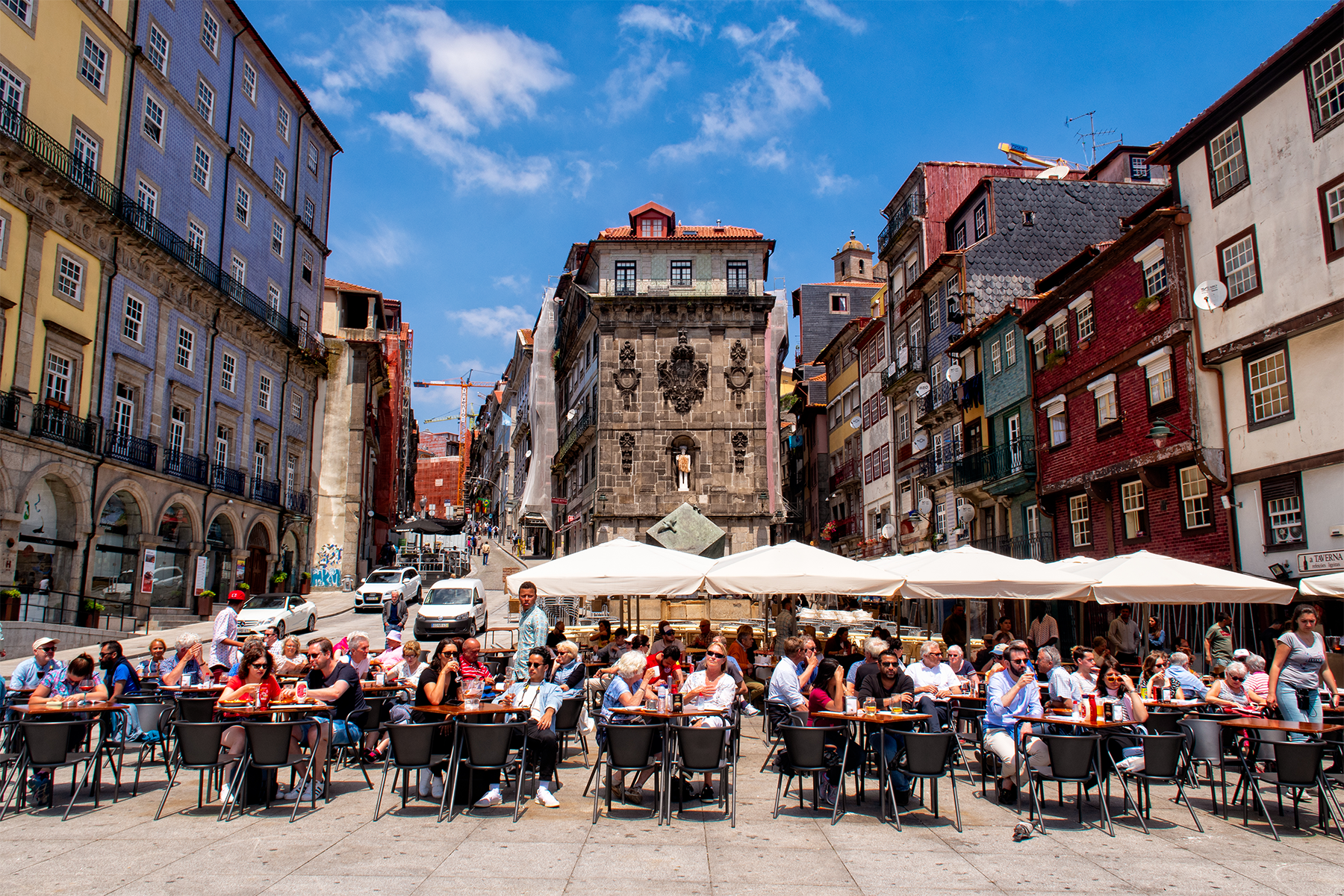
Dive into classic Portuguese food in Porto

A major overhaul of our guide brings charcoal-grilled fish by the docks and a family-run institution for ham sandwiches and cold beer.

READ MORE →

Waco is home to more than Chip and Joanna Gaines

Sure you can get a Big Tex brisket sandwich, but there’s lots to eat in Texas’s burgeoning dining destination.

READ MORE →

Let your hair down in Osaka

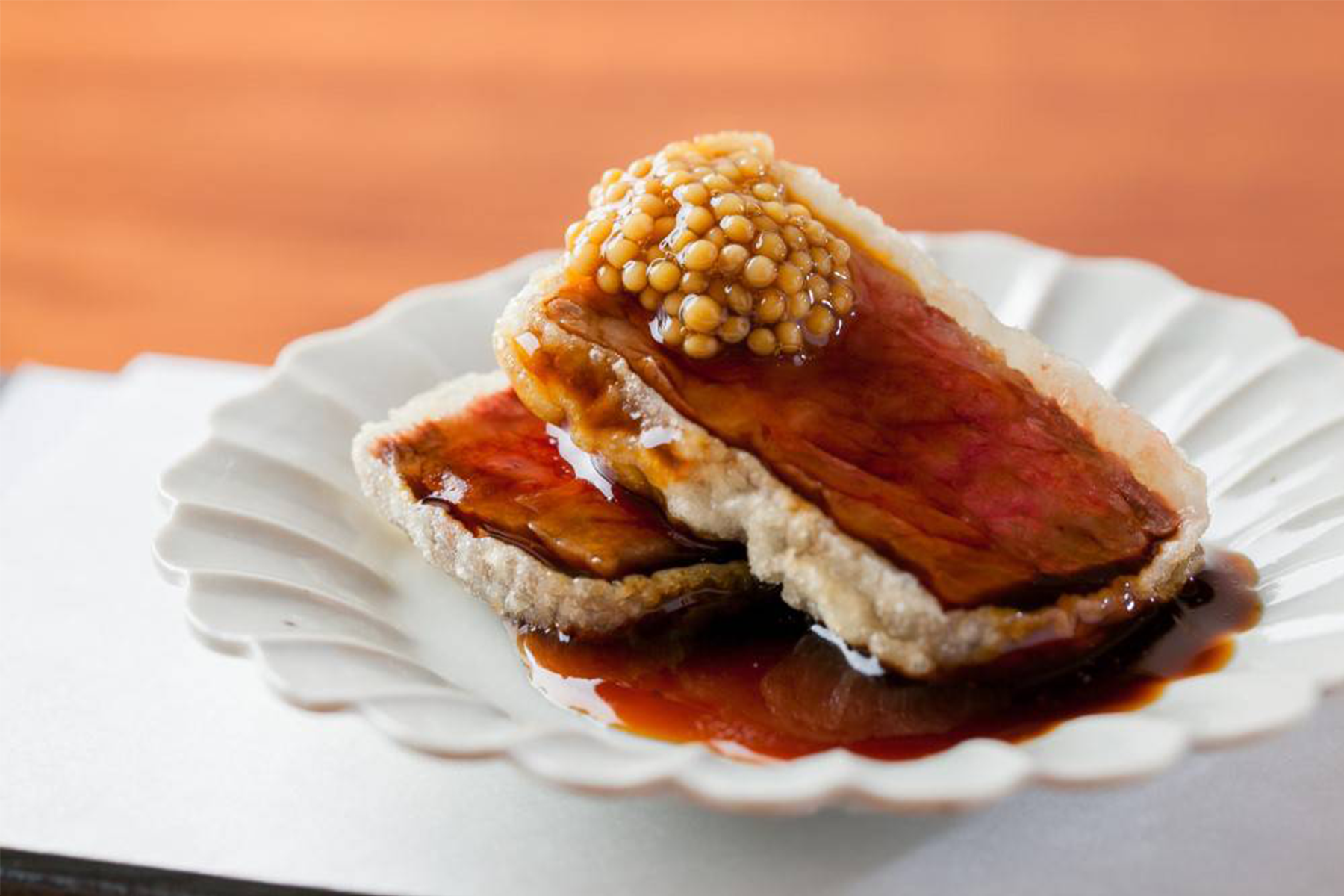
Japan’s rowdy street food destination continues to impress with Michelin-starred French fusion, new-wave tempura, and creative kaiseki grounded in Shinto practices.

READ MORE →

Links for the road:

  • Lindsey Tramuta (author of The Eater Guide to Paris) has plenty to say about the “checklist industrial complex” too.
  • While Food52 founder Amanda Hesser goes from visitor to new resident.
  • A decade into living in New York, and I still have questions about how to be a New Yorker. (First off: Does someone give me an official card or plaque or something now that I’ve hit 10 years?)
  • A few weeks ago, I wrote about the bad vibes for travelers coming to the U.S. But what does the data say?
 
FacebookTwitter Instagram

This email was sent to nicholasmancallbitel@gmail.com. Manage your email preferences or unsubscribe.


View our Privacy Notice and our Terms of Service.

Vox Media, 1701 Rhode Island Ave NW, Washington, DC 20036.
Copyright © 2025. All rights reserved.